A strong business operation is built on much more than a good product or reliable customer service. Behind every successful company are systems that keep employees productive, facilities functional, equipment dependable, and customers supported. When those systems are overlooked, small inefficiencies can gradually become larger operational challenges.
Strengthening a business from the ground up means looking at the organization as a complete system. Physical facilities, transportation, technology, workplace safety, maintenance, communication, and planning all influence how effectively a company can operate.
Business owners do not necessarily need to overhaul everything at once. Instead, they can identify areas where improvements will have the greatest impact and establish practical processes for maintaining them. A proactive approach can help businesses reduce unnecessary disruptions while creating a workplace that is prepared to grow.

Establish a Strong Physical Foundation
A company’s physical location provides the foundation for many daily activities. Whether the business operates from an office, warehouse, retail store, manufacturing facility, or distribution center, the building needs to support the work taking place inside it.
Regular inspections can help identify issues involving walls, floors, doors, windows, roofing, plumbing, electrical systems, and other structural components. Addressing smaller concerns before they become emergencies can reduce disruptions and help businesses plan expenses more effectively.
The roof deserves particular attention because damage can affect everything underneath it. Leaks can damage ceilings, walls, inventory, equipment, and electrical components. Businesses should establish a routine inspection schedule and address signs of deterioration promptly.
For larger facilities, commercial roofing maintenance can be an important part of protecting the building and its contents.
A strong physical foundation also includes keeping work areas organized. Employees should have clear pathways, appropriate storage, and enough room to perform their responsibilities safely and efficiently.
Keep Heating and Cooling Systems Reliable
Temperature control can have a significant impact on workplace comfort and productivity. Some businesses also depend on precise environmental conditions to protect inventory, machinery, technology, or other assets.
Heating and cooling equipment should receive routine maintenance based on manufacturer recommendations and the needs of the facility. Filters, thermostats, electrical components, airflow, and other system components may require regular attention.
Businesses may work with commercial HVAC companies to establish maintenance schedules and address equipment problems before they become major disruptions.
Emergency issues can still occur, particularly during periods of extreme temperatures. Having a trusted service provider and documented emergency procedures can help businesses respond more quickly when a system fails.
It is also useful to monitor changes in energy consumption. Unexpected increases may indicate that equipment is working harder than necessary or that a component requires professional attention.
Protect Equipment and Infrastructure
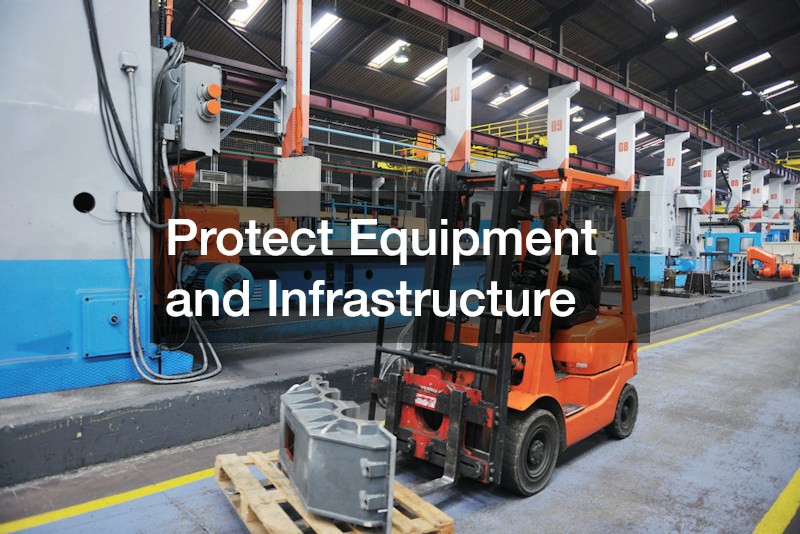
Equipment represents a substantial investment for many companies. Manufacturing machinery, vehicles, tools, storage systems, and other assets can all affect how efficiently a business operates.
Regular inspections can help identify wear, corrosion, loose components, and other potential problems. Maintenance schedules should be based on how equipment is used rather than relying exclusively on a calendar.
The environment surrounding equipment matters as well. Moisture, chemicals, heat, friction, and frequent handling can contribute to deterioration.
Protective finishes can help certain metal components withstand demanding conditions. Businesses that need these services may explore options offered by commercial powder coating companies for appropriate applications.
Keeping accurate maintenance records can also improve decision-making. When businesses know how frequently a machine needs repairs or how much has been spent maintaining it, management can make more informed choices about repair versus replacement.
Build Reliable Transportation Processes
Transportation is another essential component of business operations. Companies may need to move products, raw materials, equipment, documents, or supplies between locations.
Even businesses that do not specialize in logistics can benefit from having dependable transportation arrangements. Delivery schedules should account for traffic, loading requirements, customer expectations, and potential delays.
Companies that rely on outside providers may establish relationships with a local trucking company familiar with the region and the types of loads being transported.
Clear documentation can help prevent misunderstandings. Shipping information, delivery instructions, addresses, contact details, and special handling requirements should be accurate and accessible to the people responsible for each shipment.
Businesses should also evaluate transportation performance over time. Recurring delays or communication problems may indicate that a process needs to be adjusted.
Prioritize Workplace Safety
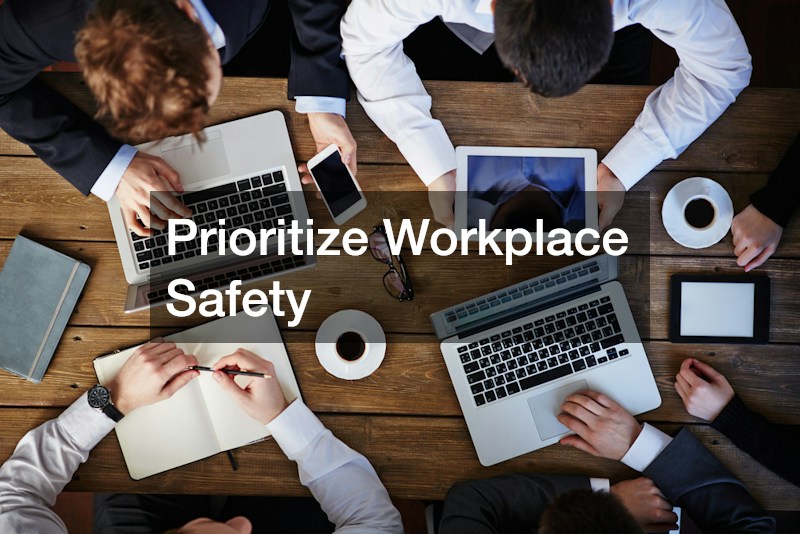
A strong operation depends on employees being able to perform their jobs safely. Workplace safety should therefore be integrated into everyday procedures rather than treated as an occasional training topic.
Businesses can begin by identifying common hazards in each work area. These may include slippery surfaces, machinery, electrical equipment, heavy lifting, vehicle traffic, hazardous materials, or inadequate lighting.
Employees should receive appropriate training for the responsibilities they perform. Safety procedures should also be easy to understand and readily available when employees need them.
Emergency planning is equally important. Businesses should establish procedures for fires, severe weather, medical emergencies, power failures, and other potential disruptions.
If an employee is injured at work, the company may need to navigate workers’ compensation requirements. Depending on the circumstances, workers comp lawyers can provide legal guidance regarding workers’ compensation matters.
The goal of workplace safety is not simply to respond to accidents. It is to identify hazards and establish processes that help prevent them.
Strengthen Fire Safety
Fire protection should be part of every commercial property’s operational planning. Businesses need appropriate detection and alarm systems, accessible exits, emergency lighting where required, and clear evacuation procedures.
Fire alarm systems should be inspected and maintained according to applicable requirements and manufacturer recommendations. Employees should also understand what to do when an alarm sounds.
Companies may establish a relationship with a local fire alarm company for inspections, maintenance, testing, or system-related services.
Emergency drills can help employees become familiar with evacuation routes and designated gathering areas. New employees should receive emergency information as part of their onboarding process.
Businesses should also avoid blocking exits, stairways, fire equipment, or other emergency access points with inventory or equipment.
These relatively simple practices can help create a workplace that is better prepared to respond when an emergency occurs.

Prepare for Power Interruptions
Electricity is essential to countless business processes. A power outage can interrupt computers, refrigeration, manufacturing equipment, security systems, lighting, communications, and other critical operations.
Businesses that depend heavily on continuous electricity may benefit from evaluating backup power options. Generators can support essential equipment during outages, depending on the size and configuration of the system.
Professional industrial generator services can help businesses address installation, maintenance, inspections, repairs, and other generator-related needs.
Backup power planning should begin by identifying which systems are most important to keep operational. Not every piece of equipment necessarily needs to run during an outage.
Businesses should also test backup systems periodically. A generator that has not been maintained may not perform as expected when an actual emergency occurs.
Plan for Heavy Equipment and Construction
Some businesses regularly move heavy equipment, materials, or machinery. Others may encounter these needs during facility expansion, renovation, installation, or relocation.
Heavy lifting requires appropriate planning. Businesses should consider load weights, access points, ground conditions, overhead obstacles, equipment capacity, and employee safety.
A local crane company may be involved when specialized lifting equipment is required.
Clear communication between site managers, operators, contractors, and other personnel can help coordinate complicated lifting operations. Work areas may also need to be restricted to authorized personnel while heavy equipment is being operated.
Businesses should avoid treating large equipment movements as routine simply because they have completed similar tasks before. Each project can present different conditions and risks.
Keep Pest Problems Under Control
Pest management is another component of maintaining a professional and functional business environment. Pests can affect food, inventory, equipment, building materials, and customer perceptions.
Prevention begins with cleanliness and building maintenance. Businesses should manage trash appropriately, clean food preparation areas, address spills promptly, and monitor areas where moisture accumulates.
Openings around doors, windows, pipes, and other entry points should also be inspected.
If an infestation develops, professional assistance may be necessary. A cockroach exterminator can evaluate the property and determine appropriate treatment options when cockroach activity is present.
Employees should have a clear process for reporting pest sightings. Early reporting can help businesses address problems before they spread to additional areas.
Improve Digital Infrastructure
Physical infrastructure is only one side of modern business operations. Technology supports communication, customer service, accounting, marketing, inventory, scheduling, sales, and many other functions.
Businesses should regularly evaluate whether their software and technology tools continue to meet their needs. Outdated systems can create unnecessary inefficiencies, while disconnected tools may force employees to duplicate information across multiple platforms.
Website performance is another important consideration. A company’s website often serves as a first point of contact for prospective customers.
Businesses may work with the best web design company for their needs to develop a website that is accessible, functional, mobile-friendly, and aligned with their brand.
Digital security should also be part of the operational foundation. Strong passwords, appropriate access controls, software updates, backups, and employee training can help businesses protect important information.
Create Clear Communication Systems
Communication problems can undermine even well-designed business processes. Employees need to know who is responsible for specific tasks, where information is stored, and how urgent concerns should be escalated.
Businesses can improve communication by establishing clear channels for different types of information. Routine updates might be handled through internal messaging or email, while urgent facility or safety issues may require a different reporting process.
Documentation can also reduce confusion. Written procedures, checklists, schedules, and contact lists give employees reliable references rather than requiring them to remember every detail.
Managers should periodically review these systems to determine whether information is reaching the right people.
Good communication also extends beyond employees. Vendors, contractors, customers, and business partners should receive accurate information about schedules, requirements, and expectations.
Organize Inventory and Storage
Efficient inventory management can save time and reduce unnecessary expenses. Employees should be able to locate frequently used products, supplies, tools, and materials without searching through disorganized storage areas.
Businesses can use labels, shelving systems, inventory software, and designated storage zones to improve organization.
Items that are used frequently should generally be easy to access, while seasonal or rarely used materials may be stored in less accessible areas.
Businesses should also periodically review inventory. Overstocking ties up money and space, while insufficient supplies can create delays.
An organized storage system can make it easier to identify what the business actually needs and when supplies should be reordered.
Establish Preventive Maintenance Schedules
Preventive maintenance is one of the most effective ways to strengthen operations over time. Instead of waiting until equipment or infrastructure fails, businesses can establish schedules for inspections, cleaning, testing, and servicing.
The schedule should account for the type of equipment and how frequently it is used. A heavily used machine may require more frequent attention than equipment that operates occasionally.
Digital reminders or maintenance management software can help businesses track upcoming tasks. Responsibility should also be assigned clearly so that inspections do not become overlooked.
Maintenance records can reveal patterns over time. If a particular component repeatedly fails, management may determine that a larger repair or replacement is warranted.
Prepare for Business Interruptions
Even well-maintained businesses can experience unexpected disruptions. Severe weather, power failures, equipment breakdowns, supply chain problems, technology outages, and other events can temporarily affect operations.
A business continuity plan can help organizations prepare for these circumstances. The plan should identify critical operations, essential employees, important vendors, emergency contacts, communication procedures, and backup resources.
Businesses should also consider how they will protect important information and maintain access to essential records during an interruption.
Plans should be reviewed periodically. As companies grow, their facilities, employees, technology, and customer requirements change.
A continuity plan that was appropriate several years ago may no longer address the company’s current needs.
Review Operations Regularly
Strengthening operations is an ongoing process. Business owners should periodically evaluate what is working, what is causing delays, and where employees are encountering unnecessary obstacles.
Feedback from employees can be especially valuable. The people performing tasks every day may recognize inefficiencies that management does not see.
Businesses can also track measurable indicators such as equipment downtime, delivery delays, customer complaints, maintenance costs, inventory shortages, and workplace incidents.
Reviewing these trends can help management identify recurring problems rather than simply responding to individual events.
Operational reviews do not have to involve complicated meetings or lengthy reports. A regular review of important systems can provide useful information for future planning.
Build a Foundation That Supports Growth
Strong businesses are rarely built around a single system. Their success depends on multiple components working together consistently.
A well-maintained building supports employees. Reliable equipment supports production. Transportation keeps materials and products moving. Technology supports communication and customer service. Safety procedures protect workers. Preventive maintenance helps reduce unexpected disruptions.
When these areas are considered together, businesses can create a stronger operational foundation.
Strengthening operations from the ground up is ultimately about being intentional. Instead of waiting for problems to force action, businesses can identify potential weaknesses, establish practical processes, and regularly review whether those processes continue to work.
A company that invests in its facilities, people, equipment, technology, and procedures creates an environment where employees can focus on their responsibilities and customers can receive consistent service. Over time, these individual improvements can become the foundation for a more organized, resilient, and sustainable business.